The Neuroscience of Hypnosis: Brain Waves and Brain States Explained
Modern neuroscience has pulled back the curtain on what happens in the brain during hypnosis. Using fMRI, EEG, and PET scan technology, researchers have identified distinct neurological changes that define the hypnotic state — and the findings are remarkable.
Brain Wave States and Hypnosis
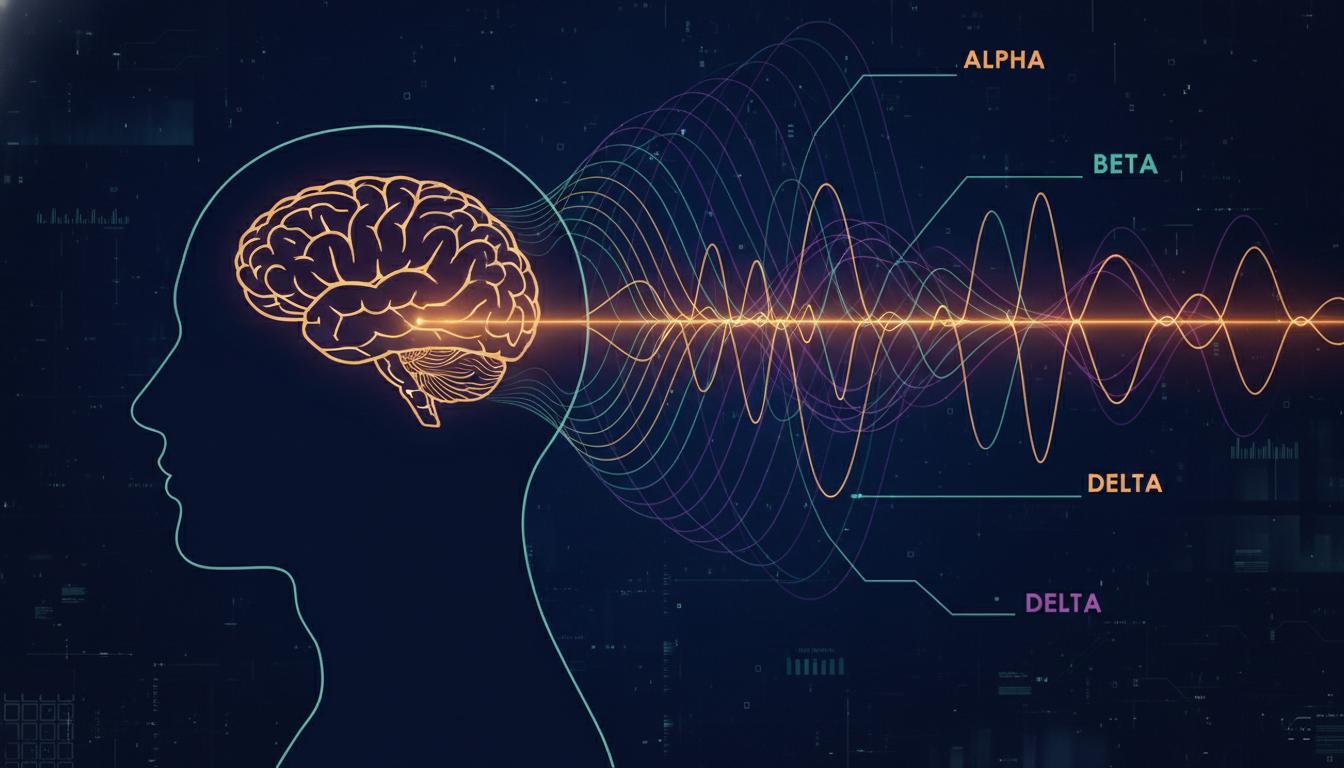
Your brain produces different electrical patterns depending on your state of consciousness. Beta waves (14-30 Hz) dominate during normal waking activity and analytical thinking. Alpha waves (8-13 Hz) appear during relaxed, calm states — the beginning of hypnosis. Theta waves (4-7 Hz) are the hallmark of deep hypnosis, associated with vivid imagery, memory access, and heightened suggestibility. Delta waves (0.5-3 Hz) occur in deep, dreamless sleep.
What Neuroimaging Reveals
fMRI studies show that during hypnosis, there is reduced activity in the default mode network (DMN) — the brain network responsible for self-referential thinking, rumination, and mind-wandering. This explains why hypnotized individuals experience less self-criticism and greater absorption in suggestion. Simultaneously, there is increased connectivity between the prefrontal cortex (decision-making) and the insula (body awareness), creating a state of focused attention with reduced peripheral awareness.
The Theta State and Neuroplasticity
Theta brain waves are the bridge between consciousness and the unconscious. In this state, the brain produces higher levels of acetylcholine, a neurotransmitter that facilitates neuroplasticity — the brain’s ability to rewire itself. This is why hypnotic suggestions can produce lasting change: the brain is literally more open to forming new neural pathways during theta activity.
Hypnosis vs. Meditation: Different Brain Signatures
While both hypnosis and meditation involve alpha-theta states, they have distinct neurological signatures. Meditation typically increases prefrontal cortex activity and strengthens executive control. Hypnosis, by contrast, temporarily reduces executive function and increases connectivity between the executive network and the salience network — allowing suggestions to bypass critical analysis and reach deeper brain structures directly.
Why This Matters for Treatment
Understanding the neuroscience of hypnosis validates it as a legitimate therapeutic tool. The brain changes observed during hypnosis — reduced DMN activity, enhanced neuroplasticity, theta wave induction — directly explain its effectiveness for conditions ranging from anxiety to chronic pain. This is not placebo; this is measurable neurology. The growing body of neuroimaging research continues to strengthen hypnosis’s position in evidence-based medicine.